
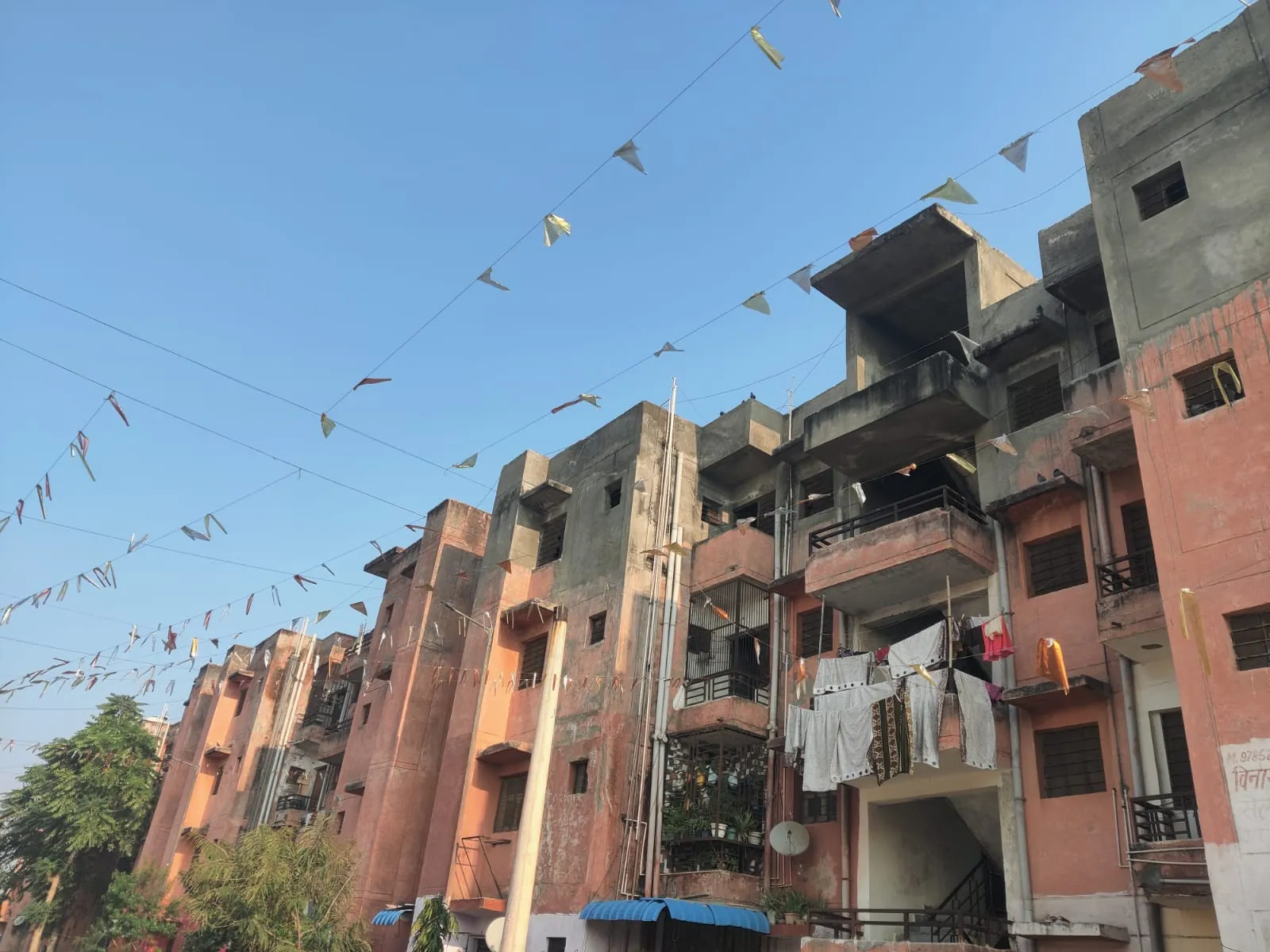
Infrastructure is the backbone of modern society. Over time, structures degrade due to environmental conditions, material ageing, overloads and unforeseen events. Structural audits aren't a formality — they're the difference between a building that lasts 50 years and one that fails in 15.
WHY THIS MATTERS NOW
Walk through any Indian city built in the 1980s and you'll see it — concrete spalling from balconies, rust streaks on facades, hairline cracks creeping across columns. These aren't cosmetic. They're early warning signs.
Over over 4,500 building collapse incidents have been recorded in India in the past decade, many of which could have been prevented by timely structural audits. Yet most owners only think about audits after disaster strikes. The truth is: a structural audit isn't an expense — it's insurance against catastrophic failure.
WHY STRUCTURAL AUDITS MATTER
A well-conducted structural audit answers four critical questions:
Older buildings were designed under IS 456:1978 — current standards are IS 456:2000. Seismic provisions changed dramatically after the 2001 Bhuj earthquake. A 30-year-old structure may technically be 'unsafe' by today's standards even if it shows no visible damage.
KEY RISKS IN AGEING STRUCTURES
REAL CASE
When Namotech audited 18 EWS blocks at BIDA Bhiwadi, we found that 60% of blocks had carbonation depth exceeding the cover thickness — meaning reinforcement was actively corroding even in buildings less than 20 years old.
HOW WE CONDUCT A STRUCTURAL AUDIT
A proper audit follows a structured methodology — not just a visual walk-through. Here's our process:
WHEN SHOULD YOU GET A STRUCTURAL AUDIT?
Government bodies including BIDA, RIICO, and Municipal Boards now mandate periodic audits for buildings under their jurisdiction. Insurance companies increasingly require audit reports for renewal of policies on older buildings.
CHOOSING THE RIGHT AUDITOR
Not all structural audits are created equal. Here's what to look for:
Audit early, audit often.
A structural audit costs ₹50,000-₹5 lakhs depending on building size. A retrofit caught in time costs 5-10% of building value. A delayed retrofit caused by an unnoticed structural issue can cost 30-50%. Audits are leverage.